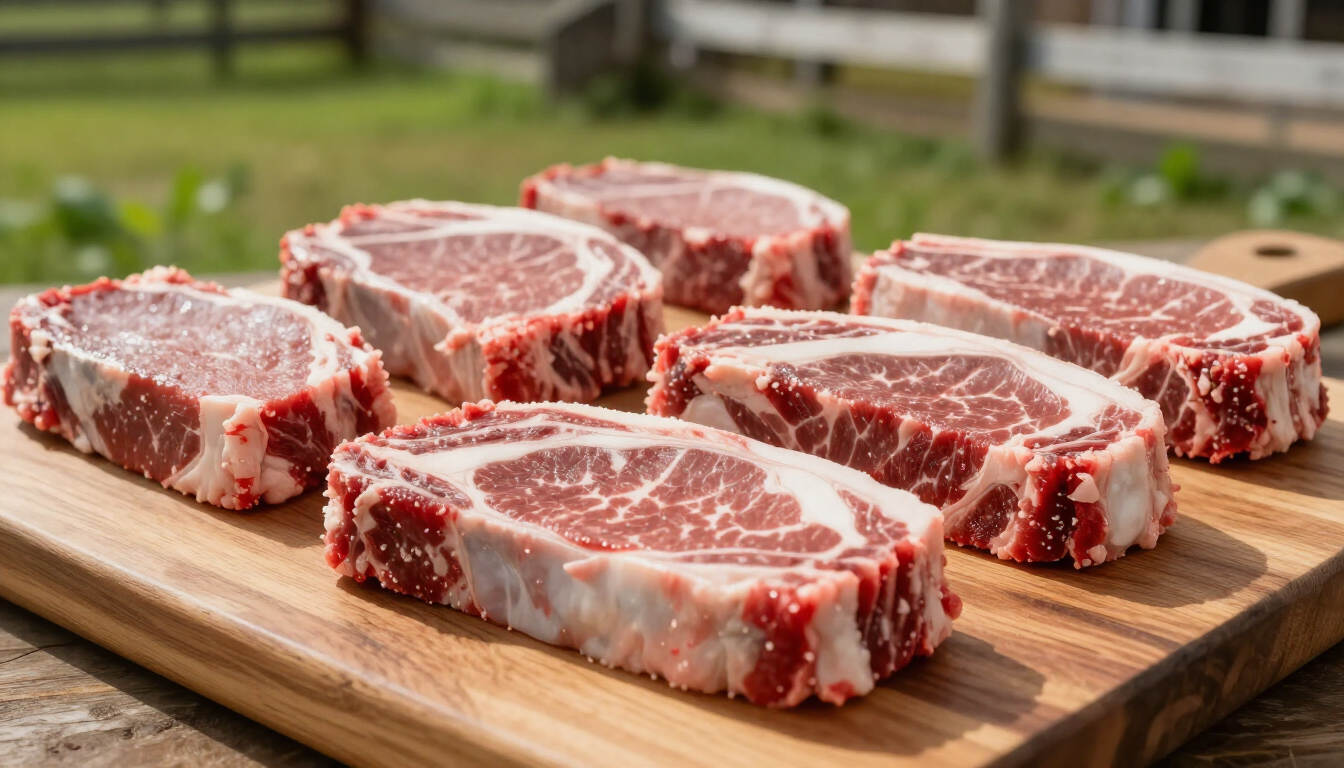
Reverse Sear Ribeye: The Ultimate BBQ Masterclass for Dads

May 11, 2026

Share this article

The reverse sear ribeye method is a two-step cooking process where you first slow-roast a thick steak at a low temperature until it reaches an internal temperature of about 40–46°C, then finish it with a high-heat sear to create a perfect, caramelized crust.

Listen up, legends. If you’ve ever served a steak that looked like a grey eraser on the inside and a burnt matchstick on the outside, your days of BBQ shame are officially over. We’re at Sunset Bluff Cattle Co, right here on the banks of the Hawkesbury River, and we don’t raise world-class, grass-fed beef just for you to ruin it on a rusty grill. Today, we are mastering the Reverse Sear. It’s the holy grail of steak cookery, the cheat code for dads who want to be the undisputed kings of the cul-de-sac. Grab a cold one, click those tongs twice for good luck, and let’s get to work.

What is the Reverse Sear Method and Why is it the BBQ Dad's Secret Weapon?

The reverse sear is essentially the opposite of how most of us were taught to cook. Instead of searing first and hoping the middle cooks through without turning into leather, we flip the script. By starting low and slow, we dry out the exterior of the steak and ensure the internal fat—especially that beautiful marbling in our Sunset Bluff Ribeye —renders down into pure flavor.

Why does this matter for you?

  • Edge-to-edge pinkness: No more "grey ring of death" around the outside.
  • Unbeatable crust: A dry steak sears faster and harder.
  • Greater control: You have a much wider window of perfection.
  • Serious bragging rights: It looks and tastes like a $100 steakhouse meal.
  • Stress-free BBQing: No more panicking about flare-ups while the meat is raw.

The Magic of Dry Brining: Why Salt is Your Best Friend

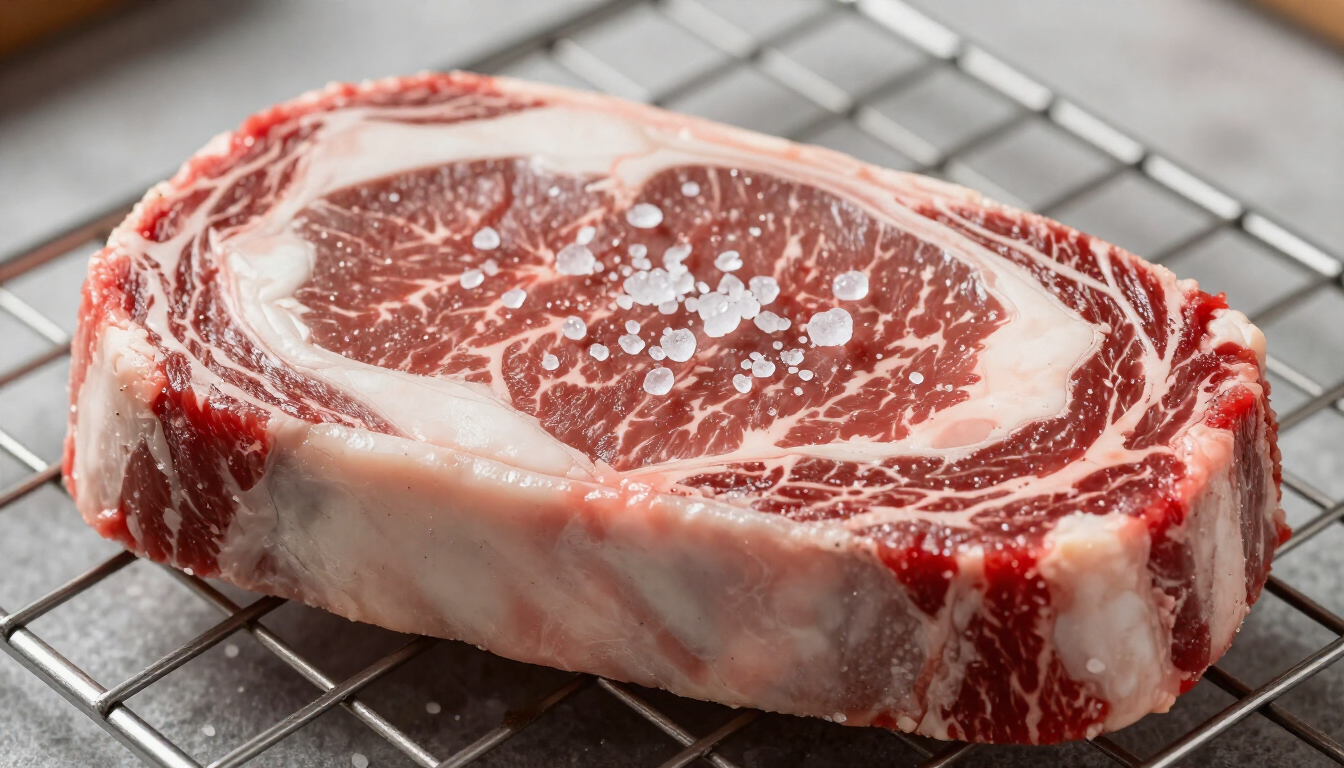
Before you even think about sparking up your gas BBQ, we need to talk about dry brining. If you skip this step, you’re basically leaving flavor on the table, and frankly, we’re disappointed in you. Dry brining involves salting your steak liberally at least 2 to 24 hours before cooking. This allows the salt to penetrate deep into the muscle fibers, seasoning the meat from the inside out and breaking down proteins for a more tender bite.

Dry Brining Ribeye

When you salt a steak early, the moisture initially rises to the surface, dissolves the salt, and then gets reabsorbed into the meat. The surface of the steak then dries out in the fridge. That dry surface is the secret to a world-class crust. For more deep dives into prep, check out our cooking techniques page.

How Do I Setup My Outdoor BBQ for Reverse Searing?

You can’t just throw a Sunset Bluff Scotch Fillet over a mountain of flaming coals or a gas blow torch and hope for the best. You need two-zone heating . This is the foundation of all great outdoor cooking. One side of your grill should be the "cool zone" (no coals or burners on), and the other side should be the "hot zone" (raging inferno).

If you're using charcoal—which, let’s be honest, is the only way to truly honor the beef—stack your lit coals on one side. If you're using gas, turn on the burners on one side only. You’re aiming for an ambient grill temperature of around 107°C to 121°C. This is the "slow" part of the low-and-slow dance.

Mastering the Low-and-Slow Phase on the Grill

Once your grill is hovering at that magical 107°C mark, place your dry-brined ribeyes on the cool side of the grill. Do not put them over the flames yet! If you do, the Ghost of BBQ Past will haunt you, and your steak will be cursed. Close the lid and let the indirect heat gently warm the meat.

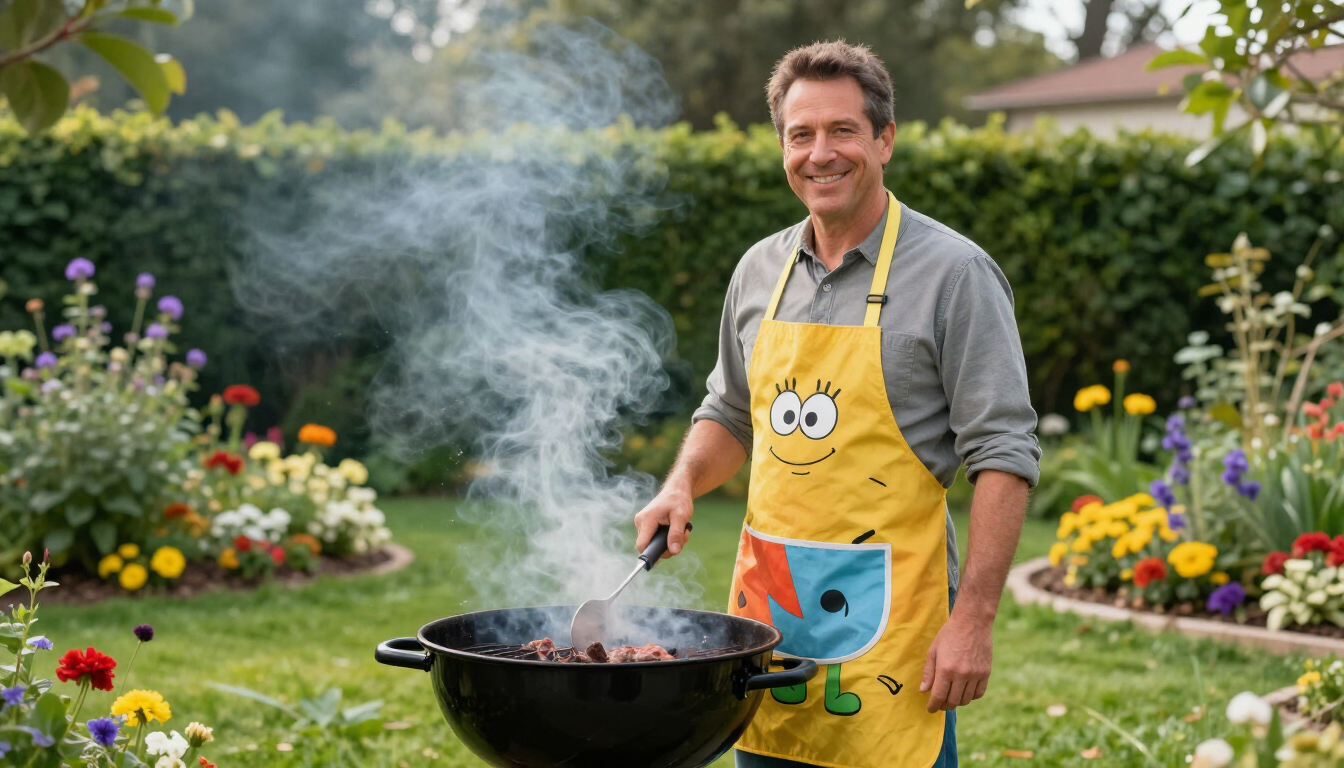
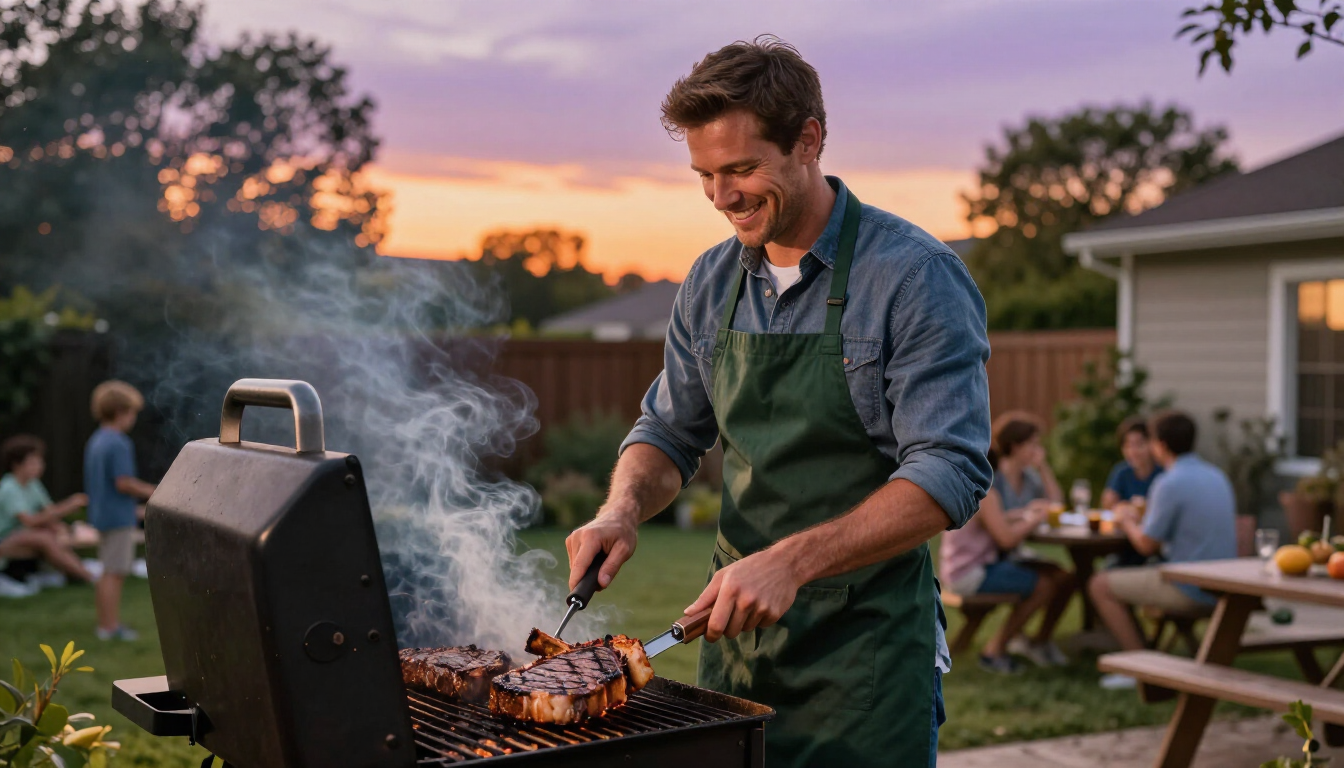
Dad at the BBQ

This is the time to relax, check on the kids, or tell a mediocre Dad joke to your mates. You aren't looking for a sear yet; you’re looking for that internal temperature to rise steadily. Because our cattle are grass-fed on the Hawkesbury, the fat structure is different than grain-fed beef. It’s healthier, packed with Omega-3s, and it melts like butter when treated with this kind of respect.

  • Check the temp: Use a digital meat thermometer (non-negotiable).
  • Target: Pull the steak when it hits 43°C for medium-rare.
  • Patience: This can take 45 to 60 minutes depending on thickness.
  • Smoke flavor: Throw a small chunk of ironbark or cherry wood on the coals.
  • The Look: The steak will look slightly pale and unappealing—don't panic!

How Do I Get That Perfect Crust Without Overcooking the Middle?

This is the moment of truth. Once your scotch filets have hit that internal target of 43°C, pull them off the grill and set them on a plate. Now, open up the vents on your grill or crank your gas burners to the absolute maximum. You want that hot zone to be screaming. We’re talking "don't-get-your-eyebrows-too-close" hot.

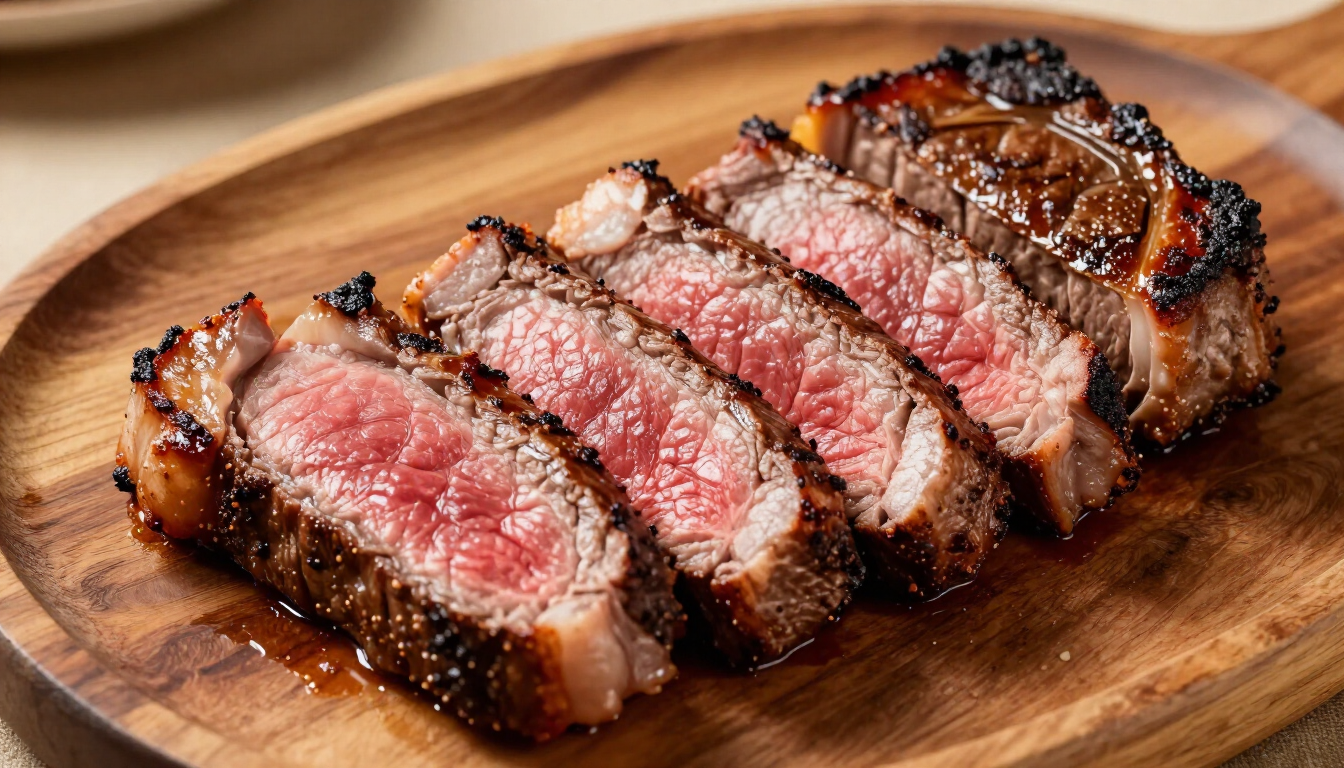
Now, sear the steak for about 60 to 90 seconds per side. Because the surface was dried out during the dry brine and the low-temp phase, the Maillard reaction (that beautiful browning) will happen almost instantly. You aren't cooking the inside anymore; you’re just painting the outside with flavor.

The Perfect Sliced Ribeye

When is the Steak Actually Done? Mastering Internal Temperatures

Precision is the difference between a BBQ hero and a guy who orders pizza. Use this guide to know exactly when to pull your steak during the final sear . Remember, the temperature will rise about 5 degrees while resting.

  1. Rare: Pull at 39°C for a finished 41°C.
  2. Medium-Rare: Pull at 42°C for a finished 46°C. (The Gold Standard).
  3. Medium: Pull at 50°C for a finished 52°C.
  4. Medium-Well: Pull at 55°C for a finished 57°C.
  5. Well Done: Please refer to our FAQs on why we don't recommend this for grass-fed beef.

Once the sear is done, let the meat rest under loose layed foil for at least 10 minutes. This allows the juices to redistribute so they don't go running across your cutting board like a Hawkesbury flood. For more recipes and tricks, dive into our recipes & tips section.

Why Grass-Fed Beef from Sunset Bluff Changes the Game?

You can use the reverse sear on any steak, but when you use a Sunset Bluff Scotch Fillet, you’re working with a different caliber of protein. Our cattle live their best lives on the banks of the Hawkesbury River, grazing on natural grasses. This results in beef that isn't just "meat"—it’s a reflection of the land.

Grass-fed beef is naturally leaner but contains higher levels of healthy fats and vitamins. Because it’s more nutrient-dense, it can be easier to overcook if you use high heat the whole time. The reverse sear is specifically perfect for our beef because it respects the delicate nature of grass-fed fats while still delivering that heavy-hitting steakhouse flavor. You can read more about our philosophy on our beef journey page.

Essential Summary: The BBQ Dad’s Path to Glory

The reverse sear is the most reliable way to cook a thick Sunset Bluff Ribeye to perfection on an outdoor grill. By combining the science of dry brining with a two-stage cooking process, you eliminate the guesswork and guarantee a steak that is juicy, tender, and perfectly crusted.

Key Takeaways for the Perfect BBQ:

  • Dry Brine Early: Salt your steak at least 2 hours (24 is ideal) before the grill to ensure deep seasoning and a dry surface.
  • Two-Zone Fire: Use indirect heat for the first phase to gently bring the internal temperature to 110°F.
  • Screaming Hot Sear: Finish over direct flames for no more than 90 seconds per side for that elite crust.
  • Trust the Thermometer: Never guess. A digital probe is your most important tool.
  • Rest for Success: Give the meat 10 minutes to relax before slicing into that pink perfection.

Now, head over to the store , grab some of our Hawkesbury grass-fed gold, and show your family why you're the master of the flame. Happy grilling!

Recent Posts

Premium cuts of grass-fed beef from Sunset Bluff Cattle Co.
May 11, 2026
Discover the 10 critical questions to ask your supermarket butcher to ensure your family is eating high-quality, local, grass-fed beef without hidden additives.
A perfectly cooked Sunday beef roast on a rustic table.
May 11, 2026
Discover the magic of the Sunday roast tradition with grass-fed beef from Sunset Bluff Cattle Co. Join the Beef Club for a paddock-to-plate lifestyle in Sydney.
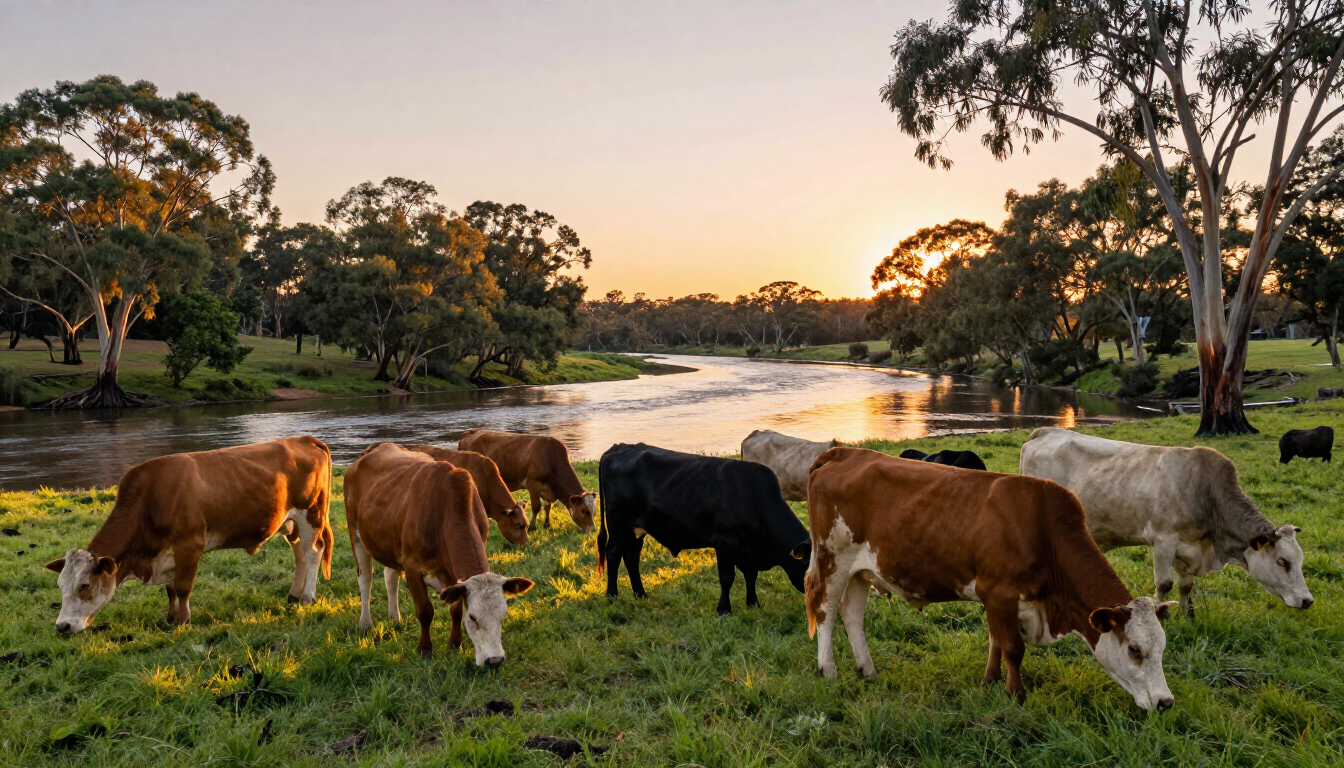
Cattle grazing by the Hawkesbury River at sunset
May 11, 2026
Discover how stress-free processing at Wilberforce abattoir ensures tender, high-quality paddock-to-plate beef from our Hawkesbury River farm.
Close up of highly marbled raw Dexter beef steak
May 11, 2026
Discover the science behind Dexter cattle marbling. Learn how small-framed cattle achieve premium intramuscular fat on a 100% grass-fed diet for superior flavor.
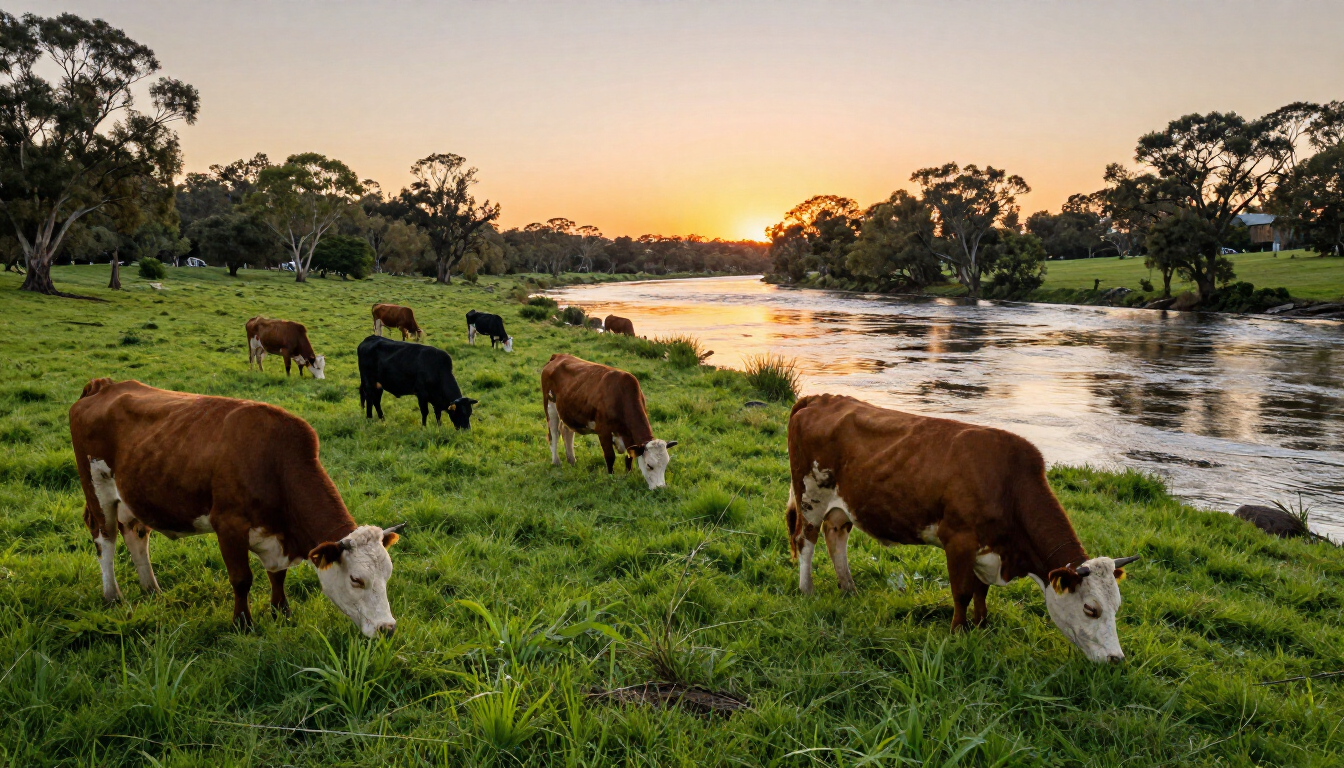
Healthy cattle grazing in a lush green pasture at Sunset Bluff Cattle Co.
May 11, 2026
Discover how regenerative grazing and our CN30 journey at Sunset Bluff Cattle Co create healthy, sustainable, and budget-friendly beef for Sydney families.
Happy family with a freezer full of premium grass-fed beef from Sunset Bluff Cattle Co.
May 11, 2026
Discover how Sydney families save over $2,000 annually by bulk buying a half-cow. Learn the financial blueprint of grass-fed beef from Sunset Bluff Cattle Co, the ROI of a chest freezer, and how to beat supermarket prices.

A small Dexter cow grazing at sunset by the Hawkesbury River.
May 11, 2026
Discover why Dexter cattle offer a secret nutritional advantage over standard Angus. A fun, humorous guide for Dads who want the best grass-fed beef for their families.
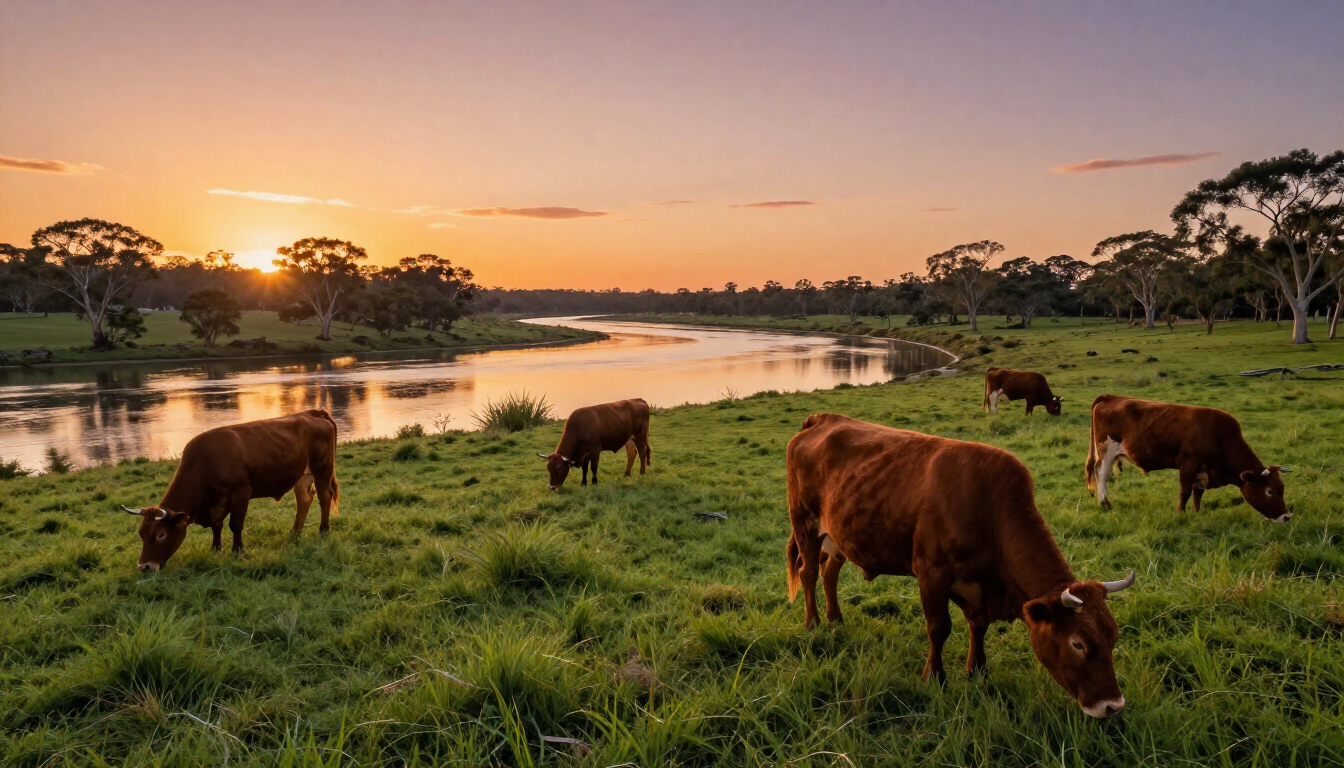
Cattle grazing by the Hawkesbury River at sunset.
May 11, 2026
Discover why Hawkesbury River grass-fed beef from Sunset Bluff Cattle Co is the ultimate healthy, low-stress choice for your family's dinner table.
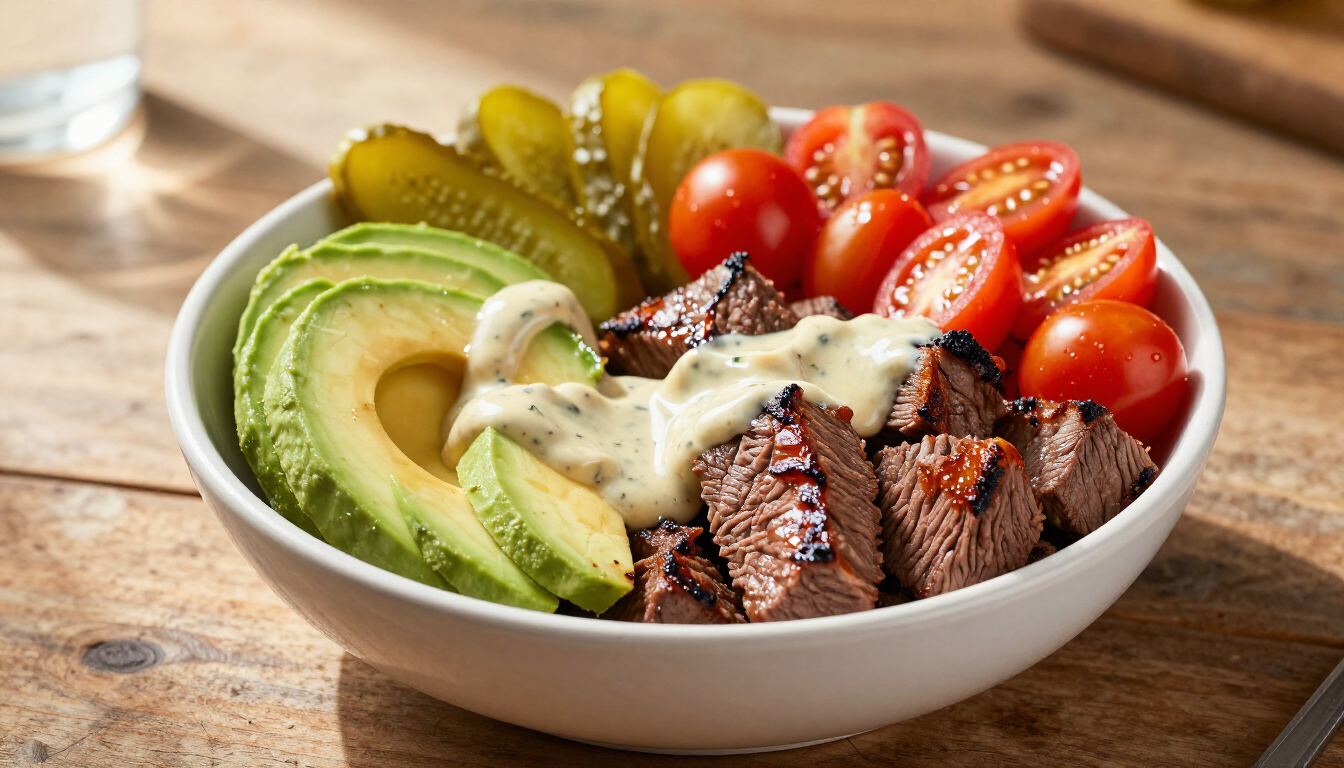
A vibrant and healthy burger bowl featuring Sunset Bluff grass-fed beef.
May 8, 2026
Surprise Mum this Mother's Day with a kid-friendly Healthy Burger Bowl recipe featuring grass-fed beef from Sunset Bluff Cattle Co. Easy, fun, and delicious!
A dad grilling steaks at sunset near the Hawkesbury River.
March 30, 2026
Master the grill with our guide to internal steak temperatures. Stop overcooking your beef and start serving perfect Hawkesbury River grass-fed steaks.
Show More