10 Questions Your Supermarket Hates you asking (2026 Guide)
Supermarket beef transparency involves knowing the exact origin, processing methods, and nutritional integrity of your meat. By asking targeted questions about feed, additives, and transport, families can distinguish between industrial-grade meat and healthy, local, nutrient-dense grass-fed beef that truly supports their long-term health and budget.
Where was this beef born, raised, and processed?
Most consumers assume the meat in the tray was raised locally, but supermarket supply chains are notoriously complex. Large-scale retailers often source cattle from various regions—sometimes even across international borders—before they are sent to a massive centralized processing plant.
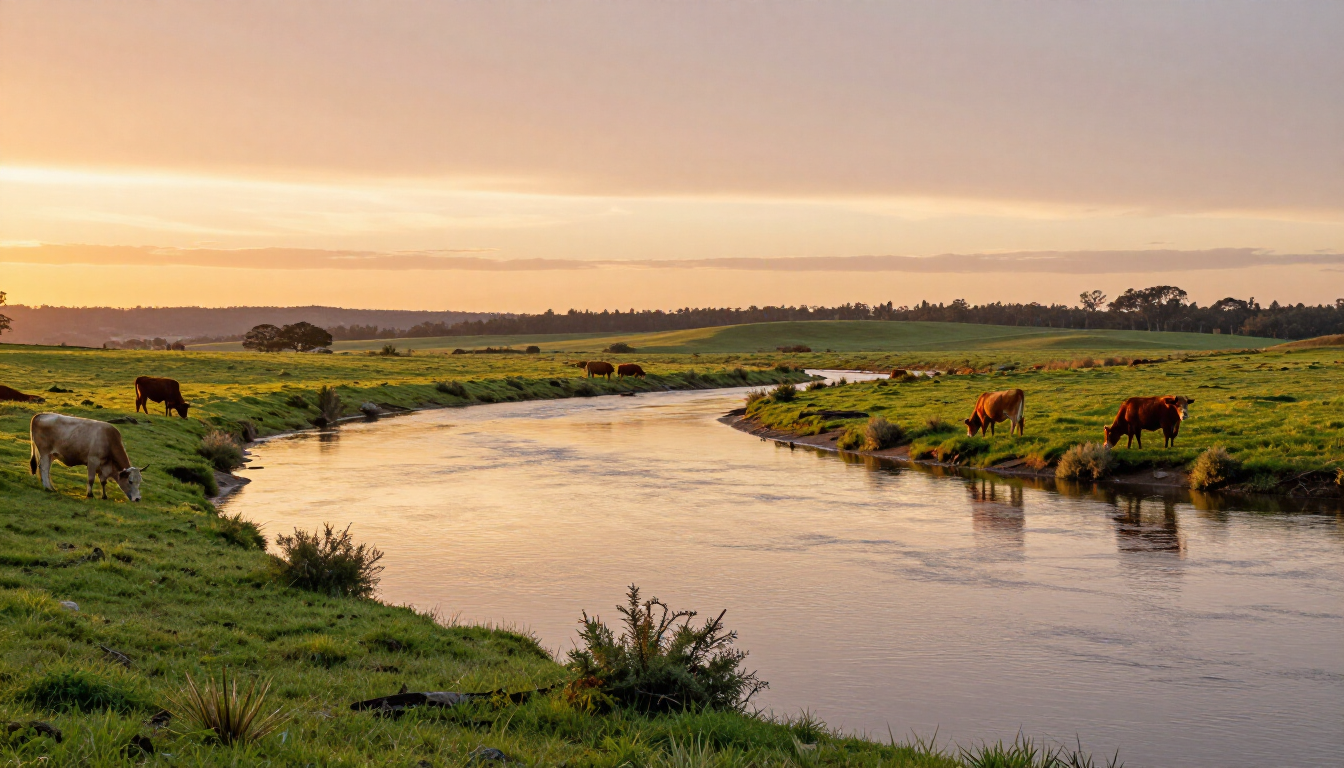
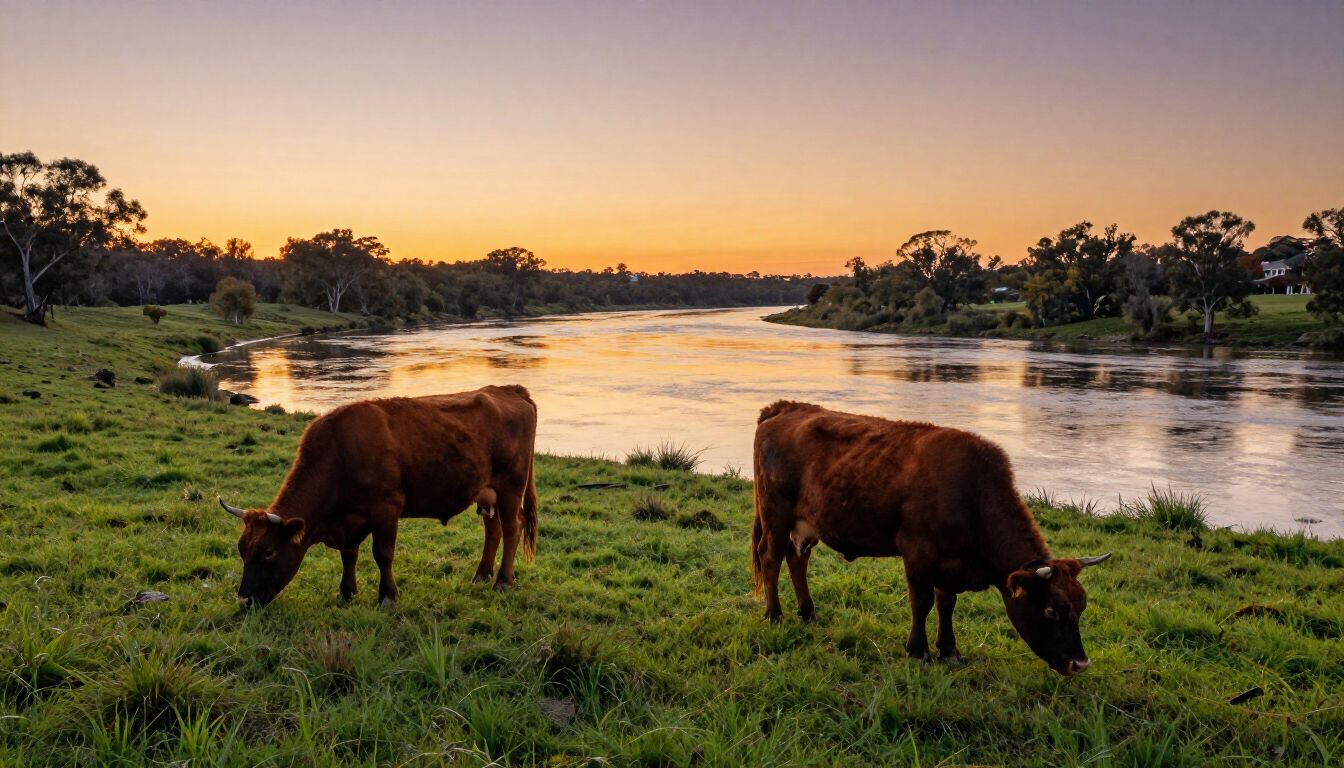
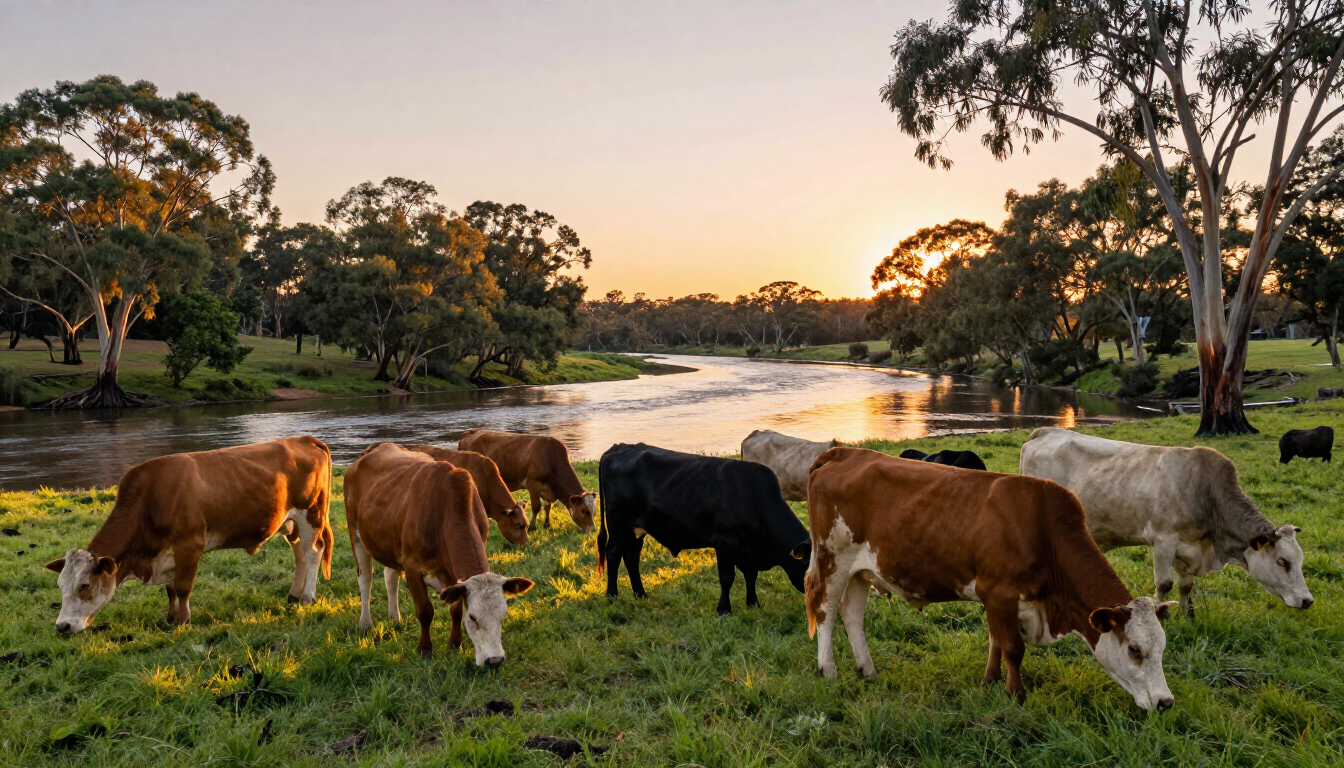
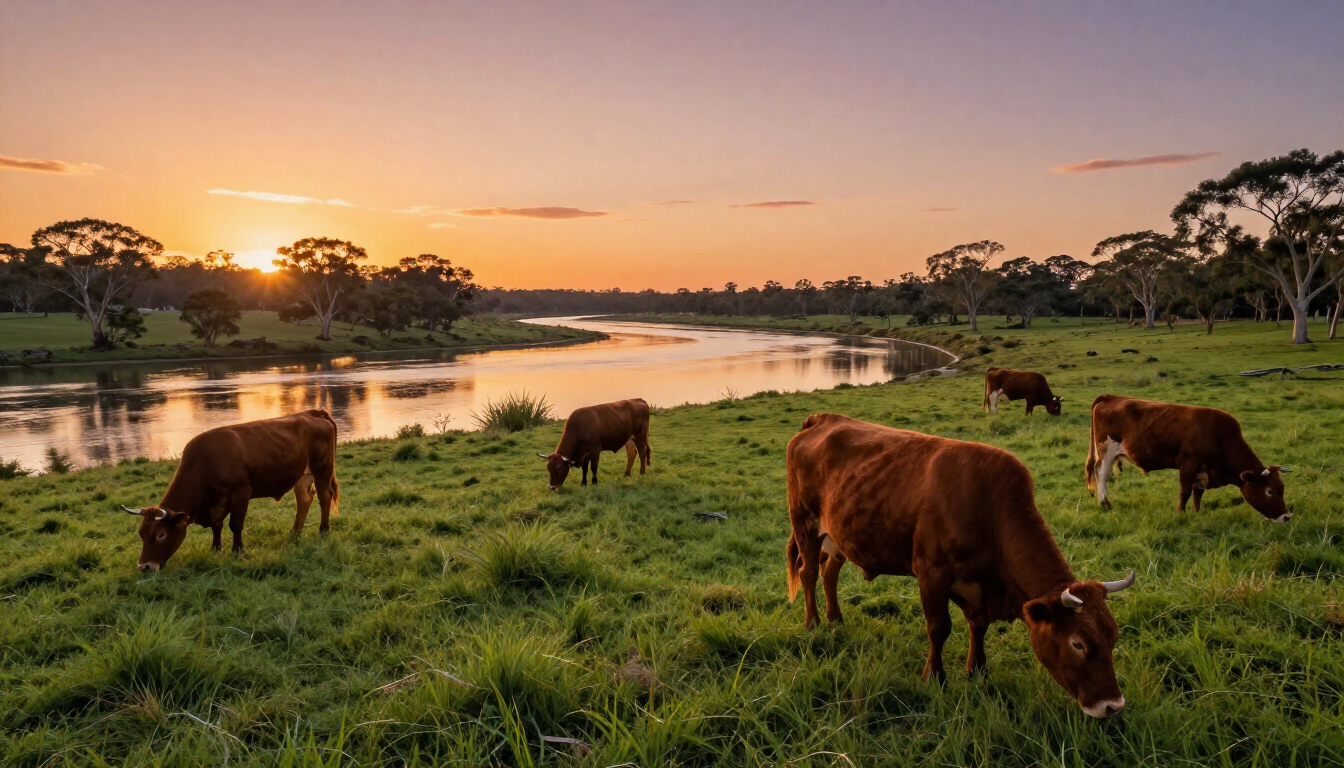
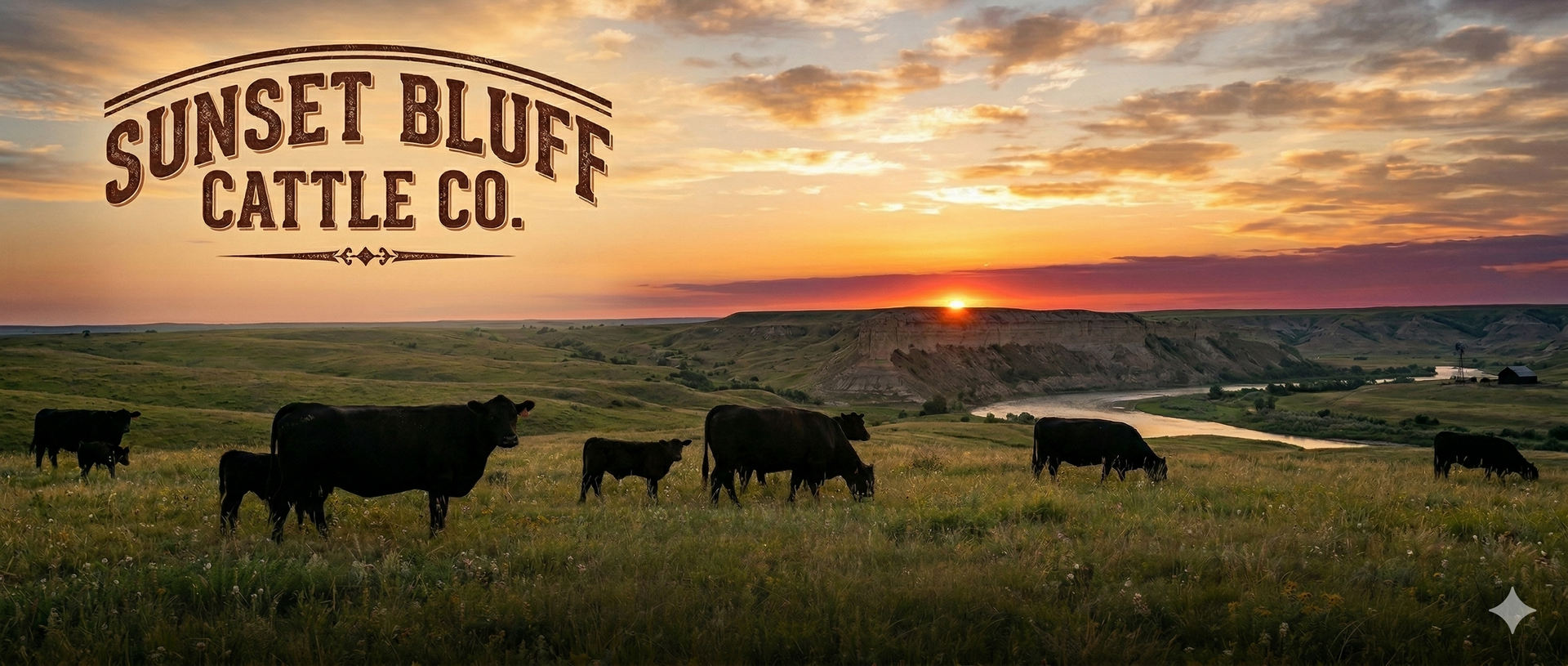
At Sunset Bluff Cattle Co, we believe you deserve a straight answer. Our cattle are raised right here on the banks of the Hawkesbury River in NSW. When you choose Our Beef Journey, you are seeing a single-origin story from our farm to your plate. Knowing the "where" ensures you aren't paying premium prices for meat that has spent more time in a shipping container than in a pasture.
Has this meat been gas-flushed for color?
Ever wonder why supermarket beef stays bright cherry red for weeks? The secret is often "Modified Atmosphere Packaging" (MAP), which frequently involves gas-flushing the tray with carbon monoxide or high levels of oxygen. While this keeps the meat looking "fresh," it is often a cosmetic mask for meat that is actually much older than it looks.
Ask your butcher if the meat is vacuum-sealed or gas-flushed. At Sunset Bluff, we prefer natural aging and simple packaging that doesn't rely on chemical tricks to stay pretty. We want you to see the real color of health.
The Hidden Impact of Meat Miles
Industrial beef often travels thousands of kilometers before reaching a supermarket shelf. This long-distance transport isn't just bad for the environment; it is stressful for the animals and detrimental to the quality of the fat and muscle.
- Reduces the nutrient density of the meat.
- Increases the risk of cross-contamination in large facilities.
- Adds significant logistics costs passed to the consumer.
- Increases the carbon footprint of your family dinner.
Is this beef 100% grass-fed and grass-finished?
This is perhaps the most important question for health-conscious families. Many supermarkets use labels like "grass-fed" but fail to mention that the cattle were "finished" on grain in a feedlot for the last 60 to 90 days. Grain finishing changes the fatty acid profile of the beef, stripping away the high levels of Omega-3s and CLA (Conjugated Linoleic Acid) that make beef a health food.
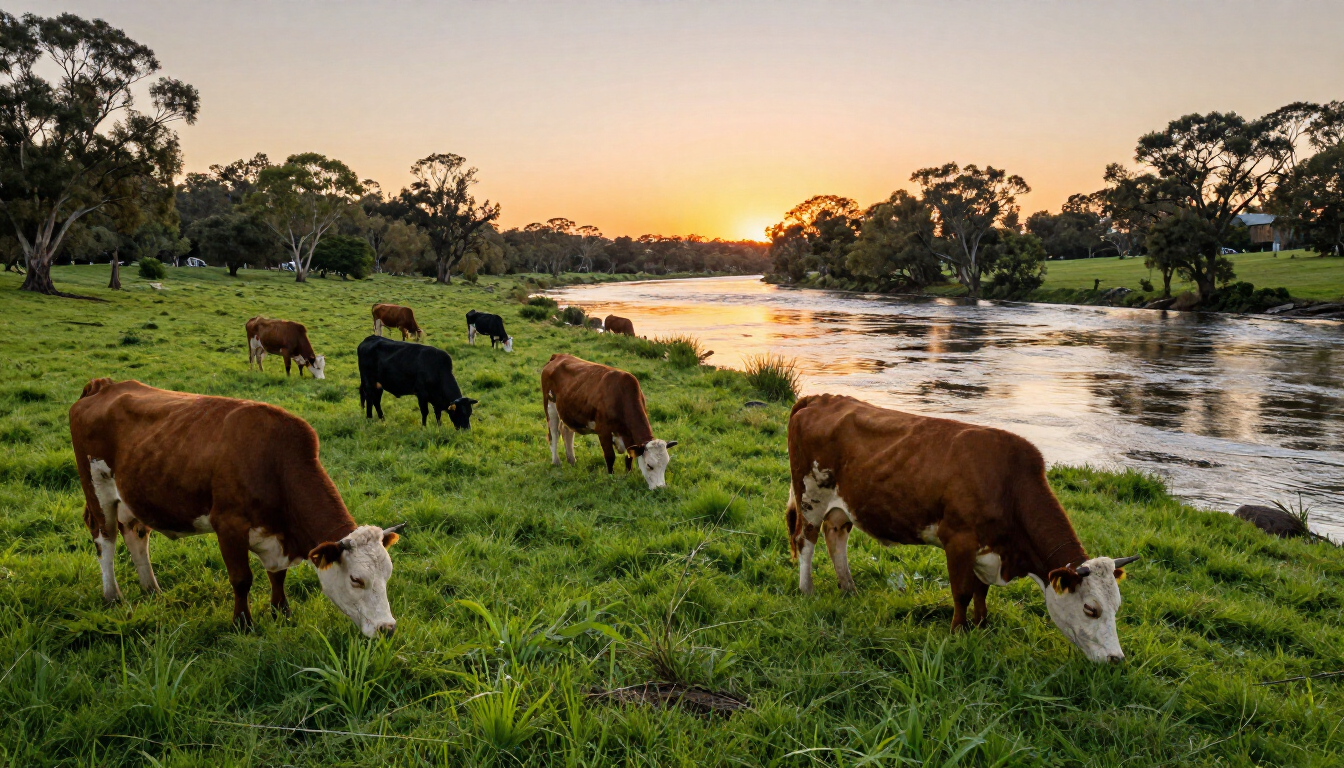
True grass-fed beef, like what we raise on the Hawkesbury River, stays on pasture its entire life. This commitment to Health Benefits means you are getting more Vitamin E, Beta-carotene, and healthy fats in every bite. If your Supermarket can’t guarantee the meat is "grass-finished," it’s likely a feedlot product. Feedlots are there to specifically "Fatten Up" your meat.
What is the specific grade of this meat?
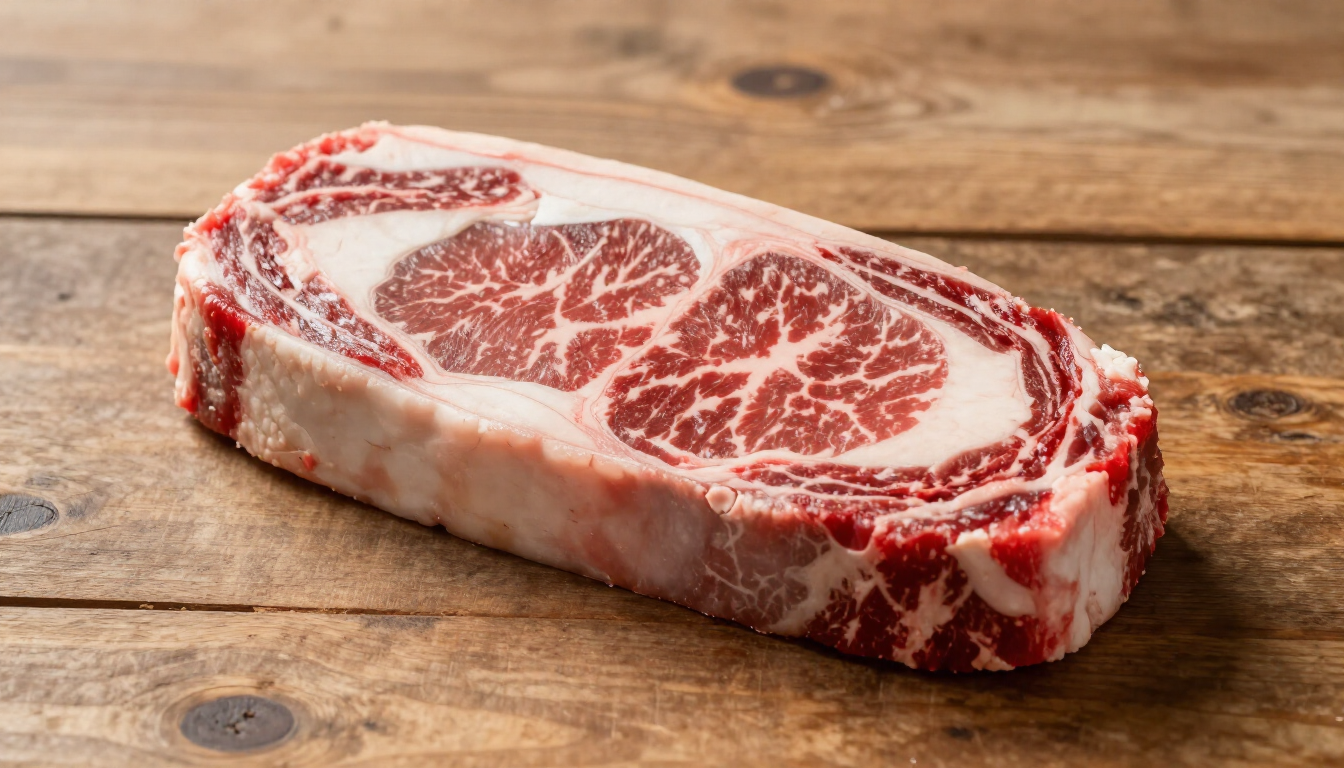
Supermarkets often mix different grades of beef into their mince or pre-packaged steaks. You might be buying a 3-star "budget" grade while paying a "premium" price because of the fancy branding on the sticker. Ask if the beef has an MSA (Meat Standards Australia) grade and what that specific score represents.
How many animals are in this one pack of mince?
In a large-scale supermarket environment, a single package of ground beef can contain DNA from hundreds of different cows. This is a byproduct of mass processing, and it significantly increases the risk of foodborne illness. When you buy our paddock-to-plate products, your mince comes from a single animal, offering a level of safety and traceability that a supermarket simply cannot match.
Why "Product of Australia" is not enough
While we love supporting Australian farmers, the "Product of Australia" label can be a bit of a shield. It tells you the country, but it doesn't tell you the ethics, the soil health, or the treatment of the animal.
- Does the farm use regenerative practices?
- Are the cattle treated with growth hormones?
- Is the soil being depleted or restored?
- Are the farmers paid a fair price for their labor?
How long has this beef been aged?
Great beef needs time. Most supermarket beef is "wet-aged" in a plastic bag for a very short period to maximize turnover. This results in a metallic taste and a less-than-ideal texture. True artisan beef is often dry-aged or carefully wet-aged for 14-21 days to allow natural enzymes to break down the connective tissue, resulting in superior tenderness.
Check out our Cooking Techniques to see how properly aged beef behaves differently in the pan compared to the watery supermarket equivalent.
Can I see the farm where this came from?
If you ask a supermarket butcher which farm the beef came from, they likely won't have an answer. Transparency isn't just a buzzword; it’s an invitation. We invite our customers to explore our Social Media Pages to see the Sunset Bluff difference for themselves, its a behind the scenes tour. If a producer hides behind a corporate logo, there is usually a reason.
How can I buy better beef on a budget?
Many families avoid local grass-fed beef because they assume it is too expensive. However, when you cut out the supermarket middleman, the "real cost" becomes much more manageable.
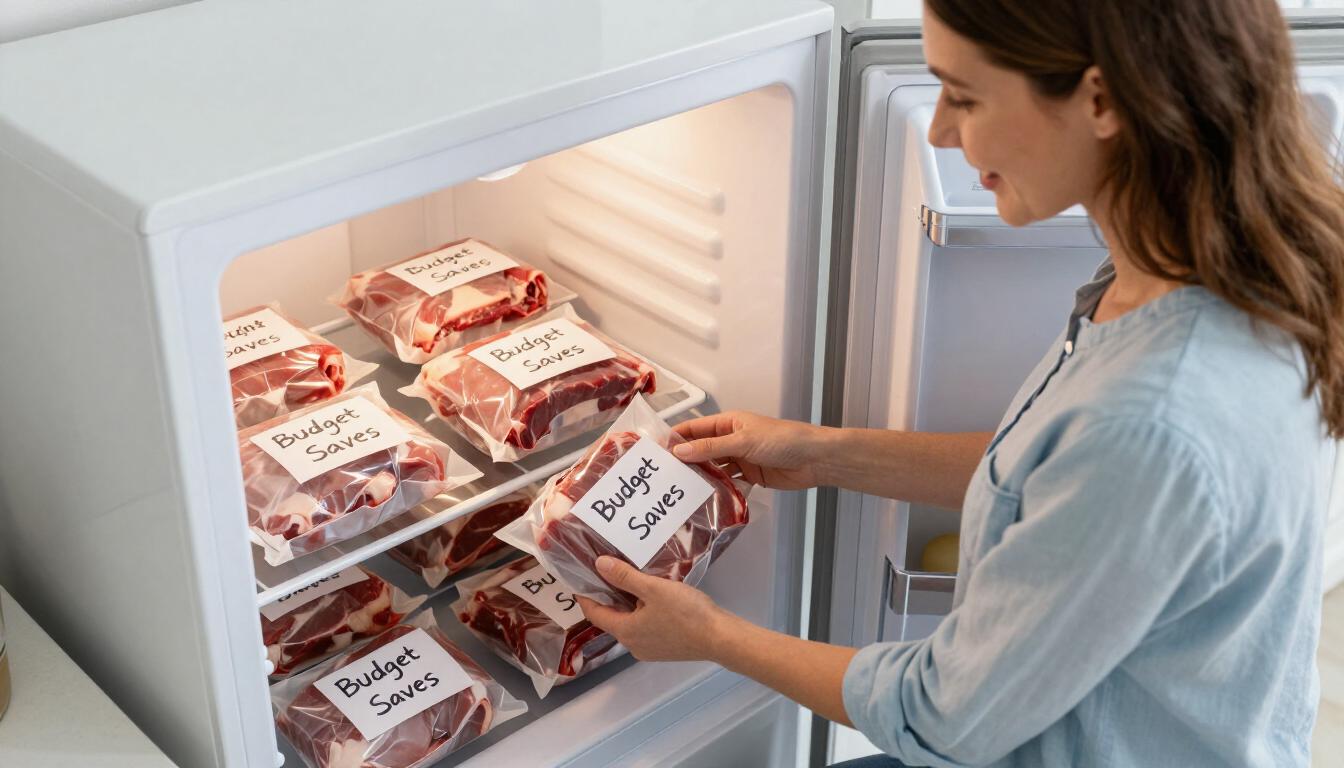
- Buy in bulk (quarter or half sides) to lower the price per kilo.
- Utilize secondary cuts like brisket or chuck for slow cooking.
- Reduce food waste by buying meat that hasn't been gas-flushed.
- Invest in nutrient density so you feel full with smaller portions.
The Transparency Audit Summary
Navigating the supermarket meat aisle requires a critical eye and a willingness to ask tough questions. By demanding to know the origin, feed, and processing methods of your beef, you protect your family's health and support sustainable Australian farming. Industrial supermarkets prioritize shelf life and profit margins; at Sunset Bluff Cattle Co, we prioritize how our animals are handled and the health of the families we feed.
Key Takeaways:
- Always verify if beef is free range 100% grass-finished, not just grass-fed.
- Avoid gas-flushed (MAP) packaging to ensure true freshness.
- Prioritize single-origin meat to reduce contamination risks.
- Local beef from the Hawkesbury River offers superior nutrient density.
Ready to experience real transparency? Visit our Store today to browse our current selection of grass-fed, paddock-to-plate beef.