How to Cook the Perfect Steak: A Dad's Guide (2026)

March 30, 2026

Share this article

To cook the perfect grass-fed steak, use a digital meat thermometer to hit precise internal pull-temperatures: 40°C for rare, 46°C for medium-rare, 52°C for medium, 57°C for medium-well, and 63°C for well-done. Always rest your meat for 5-10 minutes to allow juices to redistribute and temperatures to rise slightly.

Why does everyone overcook their steak?

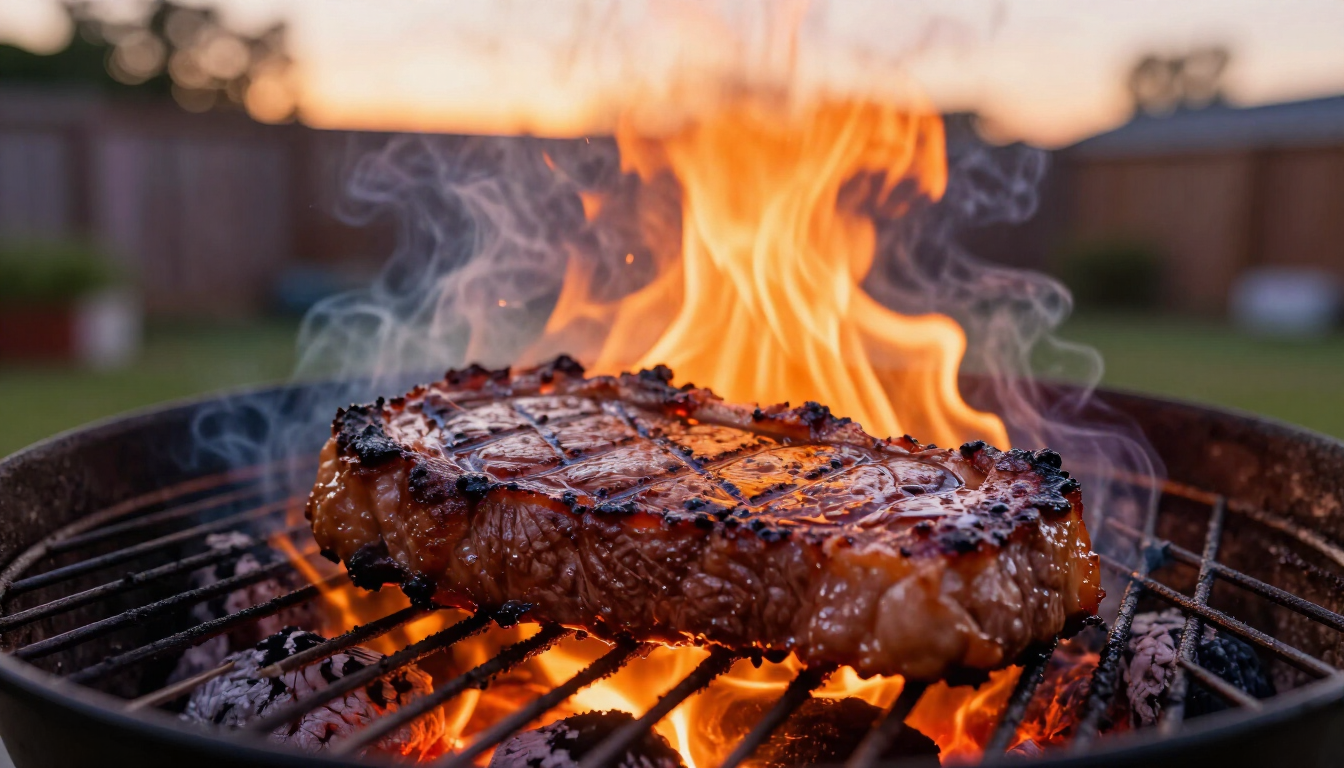
Listen, let’s address the elephant in the backyard: everyone overcooks steak. It is a cross-cultural, universal dad-tragedy. You get the tongs in one hand, a cold beverage in the other, and suddenly you’re distracted by a toddler trying to eat a ladybug or a neighbor asking about your lawn care routine. By the time you look back, that beautiful piece of grass-fed beef has gone from a succulent masterpiece to something resembling a discarded hiking boot. We have all been there. The pressure is high when the kids are hungry and the sun is setting over the Hawkesbury River, but overcooking is the ultimate sin of the Saturday grill-off. We tend to rely on 'the touch test'—poking the meat with a finger and guessing if it feels like a palm or a chin—but let’s be honest, our hands are usually too busy holding a spatula to be precision biological sensors. Overcooking happens because we fear the red, or we simply wait too long to pull the meat off the heat. When you see those juices bubbling on the surface, you’ve often already crossed the finish line into the 'grey zone' of sadness. At Sunset Bluff Cattle Co, we put too much love into our cattle for them to end up as charcoal, so it is time to upgrade your game.

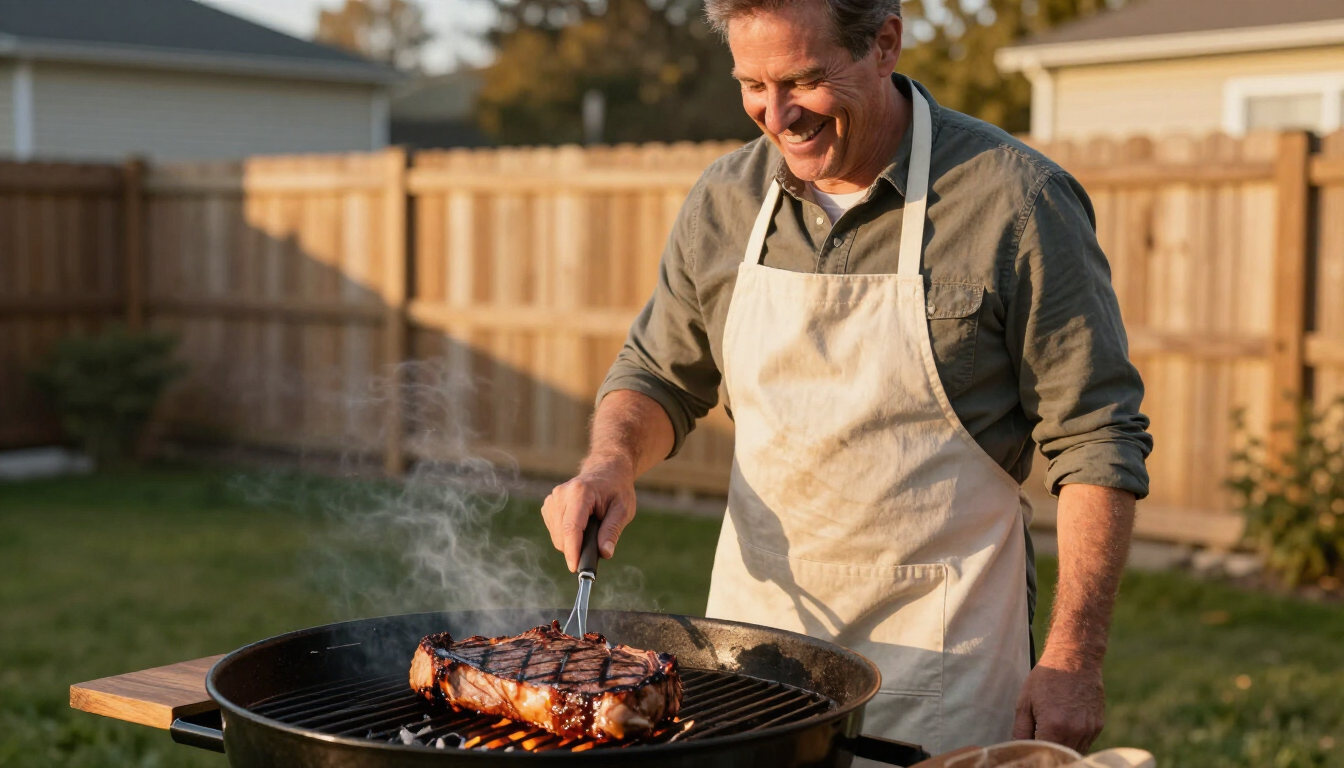
A dad grilling steaks at sunset

To avoid this, you need to understand that steak continues to cook even after it leaves the flames. This is called carry-over cooking, and it is the secret weapon of pro chefs. If you leave the steak on the grill until it looks 'done,' it will be overdone by the time it hits the plate. We are here to break that cycle of leathery disappointment. By focusing on internal temperatures rather than timing or looks, you ensure that every bite is as healthy and flavorful as nature intended. For more on why our beef is so tender, check out our Health Benefits page.

Essential Tools for the Ultimate Dad Grill-Master

If you want to stop guessing and start winning, you need the right kit. You wouldn't fix a leaky tap with a toothpick, so don't try to cook a premium steak without a digital instant-read thermometer. This is the single most important tool in your arsenal. It takes the guesswork out of the equation and gives you back your confidence. Alongside your thermometer, you need a sturdy set of long-handled tongs—none of those flimsy kitchen ones that make you feel like you’re playing a low-stakes arcade game. You want control. You want power. You want to be able to flip a three-inch thick T-bone without breaking a sweat.

  • High-quality digital meat thermometer
  • Heavy-duty stainless steel tongs
  • A cast iron skillet or a clean grill grate
  • Coarse sea salt and cracked black pepper
  • A reliable timer (or just your phone)

Setting up your station is half the battle. When you’re cooking for a pack of hungry kids, organization is your best friend. Make sure your steaks are at room temperature before they hit the heat. Cold meat and hot grills are a recipe for uneven cooking. While the grill is heating up, take a moment to breathe in the fresh air and think about the journey that beef took from our farm on the banks of the Hawkesbury River to your backyard. For a deeper look at how we raise our cattle, visit Our Beef Journey . Once you have your tools and your meat is prepped, you are ready to tackle the temperature targets that will make you a local legend.

What are the target internal temperatures for steak?

This is the holy grail of grilling knowledge. Memorize these numbers, write them on the inside of your eyelids, or maybe just bookmark this page. These are the 'pull temperatures'—the temperature the meat should be when you remove it from the heat source. Do not wait for it to reach the final serving temperature on the grill, or you’ll be back in 'overcooked boot' territory.

  • Rare: 40°C (For those who like it practically mooing)
  • Medium Rare: 46°C (The chef’s choice and the gold standard)
  • Medium: 52°C (A safe, juicy middle ground for most families)
  • Medium Well: 57°C (Still tender, but very little pink)
  • Well Done: 63°C (The limit; any higher and you’re making jerky)
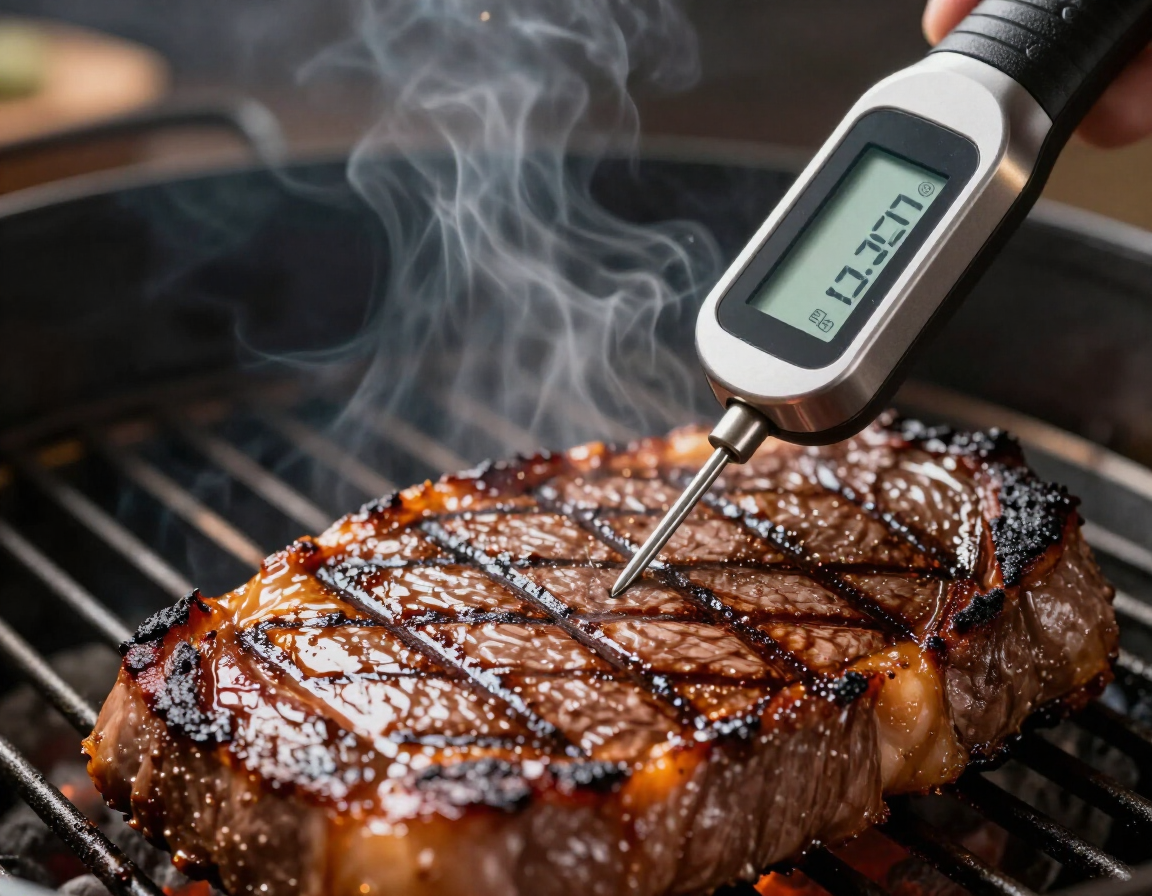
Digital thermometer in a steak

When the thermometer hits these numbers, get that meat off the heat immediately. Place it on a warm plate or a wooden board. The temperature will naturally rise another 3-5 degrees as it rests. This is the crucial window where the muscle fibers relax and the juices that were pushed to the center migrate back throughout the steak. If you cut it too soon, those juices will run all over the board, leaving you with a dry piece of meat and a very wet table. Patience is a virtue, especially when there is ribeye involved. If you are looking for more specific methods, explore our Cooking Techniques section.

How do you choose the best grass-fed beef?

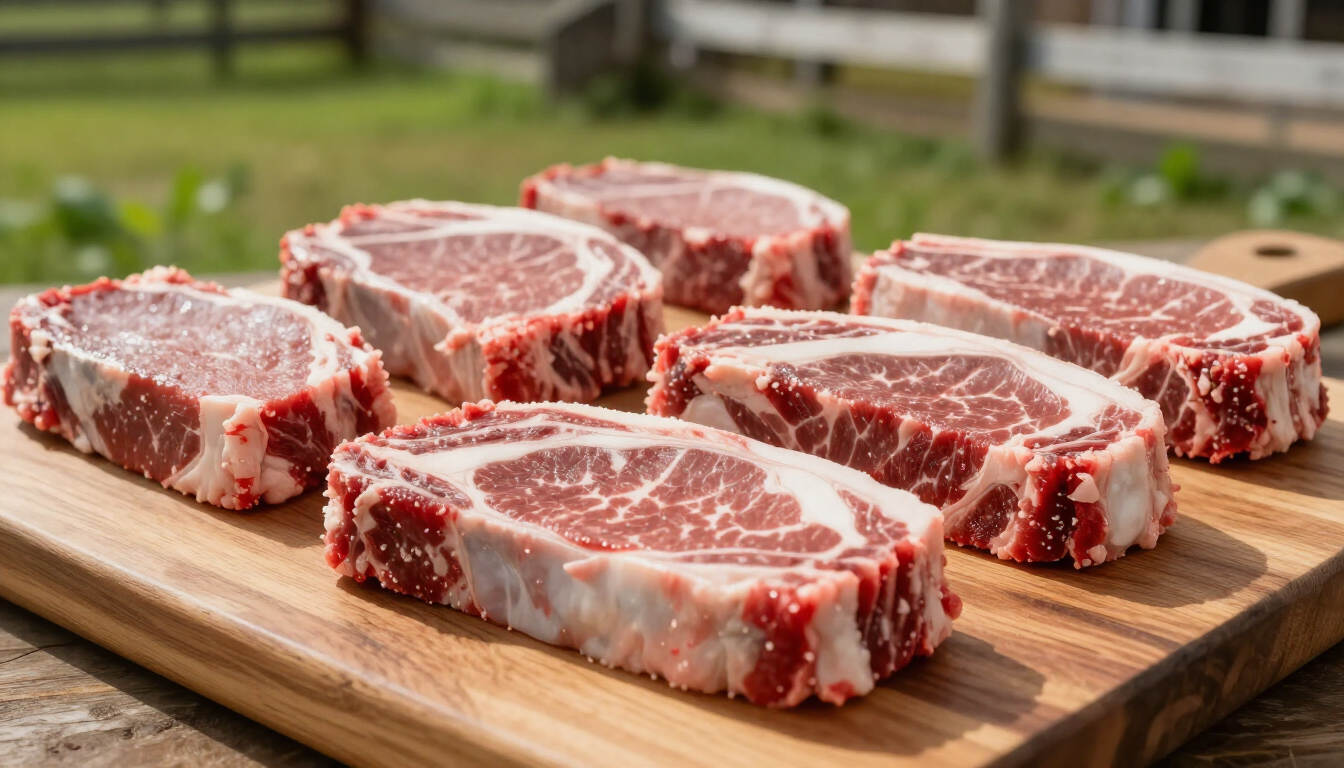
Not all beef is created equal. If you're starting with low-quality, factory-farmed meat, even the best thermometer won't save you. At Sunset Bluff Cattle Co, we believe the environment is just as important as the technique. Our cattle graze on the lush, green pastures along the Hawkesbury River. This 'paddock to plate' philosophy means you are getting beef that is high in Omega-3s and loaded with natural flavor that grain-fed alternatives simply can't match. When you're at the Store , look for deep red color and creamy (not stark white) fat, which are hallmarks of healthy, grass-fed cattle.

Grass-fed beef often cooks about 30% faster than grain-fed beef because it is leaner. This makes the temperature targets even more critical. Because there is less insulating fat, the heat penetrates the muscle more quickly. You have to be fast with that thermometer! The reward is a cleaner, more robust beef flavor that doesn't feel heavy in the gut—perfect for busy dads who need to stay active after lunch.

The Secret to Resting Your Meat for Maximum Juiciness

Resting is not just a suggestion; it is a mandatory phase of the cooking process. Think of it like a cool-down after a workout. If you stop abruptly and jump into a cold shower, your muscles cramp. If you cut a hot steak, the juices 'cramp' and flee. Give your steaks at least 5 to 10 minutes of peace. Tent them loosely with foil if you’re worried about them getting cold, but don't wrap them tight or you'll lose that crust you worked so hard to build. During this time, you can finish off the salad, yell at the kids to wash their hands for the fifth time, or simply admire your handiwork.

  • Rest for half the time you cooked it
  • Use a wooden board to retain heat
  • Don't poke or prod during the rest
  • Season with a little extra salt right before serving
  • Slice against the grain for maximum tenderness

Following these steps ensures that the first bite is just as good as the last. It transforms a standard weekend lunch into a culinary event that your family will talk about all week. If you have more questions about the process, our FAQs page has plenty of answers for the curious cook.

Summary: Your Saturday Afternoon Victory Lap

To wrap it up, the path to steak perfection is paved with precision, not guesswork. By acknowledging that everyone overcooks steak and deciding to do something about it, you’re already ahead of the pack. Remember the golden rules: buy high-quality grass-fed beef, use your thermometer, and pull the meat at the right temperature. Your kids will thank you, your taste buds will celebrate, and you’ll finally be the master of the Hawkesbury River grill.

Quick Takeaways for Your Next Cookout:

  • Always use a digital thermometer to hit your 40°C–63°C targets.
  • Pull the steak off the heat before it reaches the final desired temperature.
  • Grass-fed beef from Sunset Bluff Cattle Co cooks faster and tastes better.
  • Resting for 10 minutes is non-negotiable for juicy results.
  • Check out our Recipes & Tips for more inspiration.

Now, go forth and grill with confidence. You’ve got the knowledge, you’ve got the temps, and hopefully, you’ve got a cold drink in your hand. Happy cooking!

Recent Posts

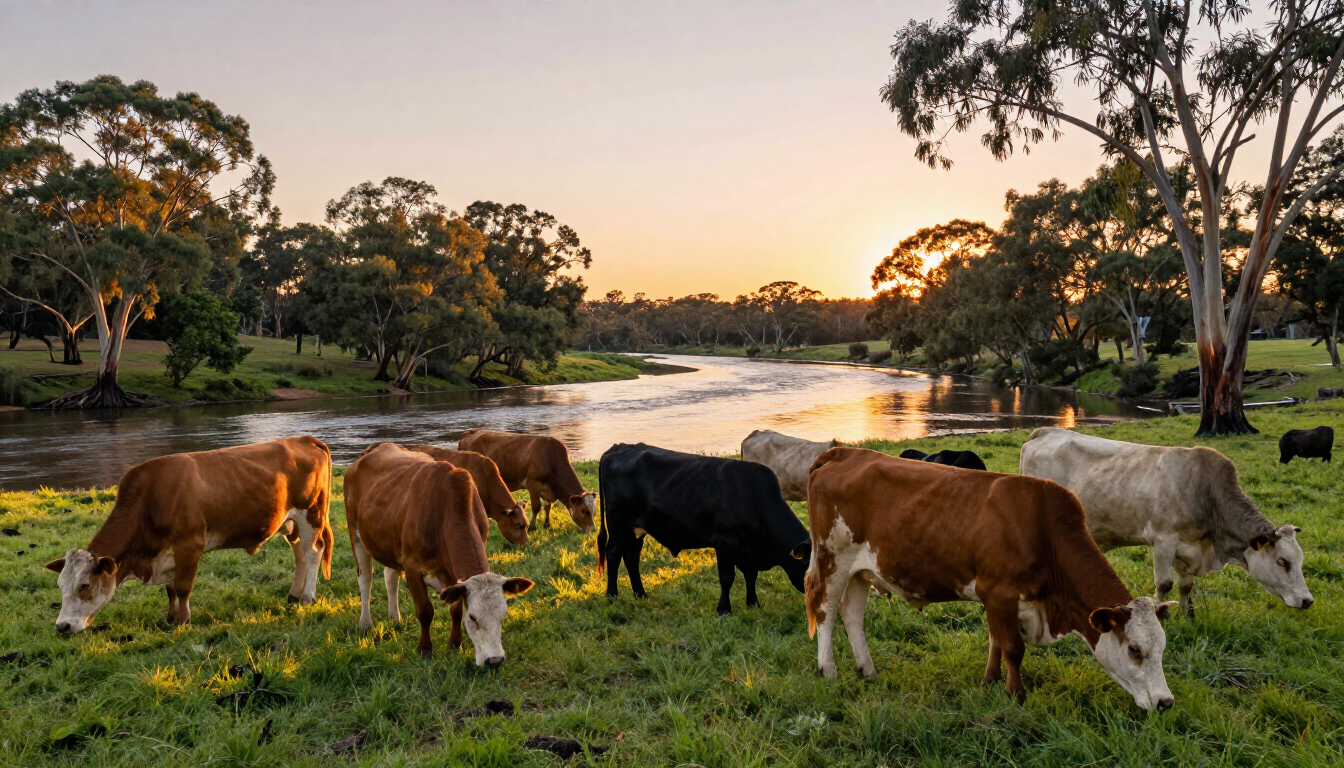
Healthy grass fed cattle grazing on the banks of the Hawkesbury River at Sunset Bluff.
March 29, 2026
Discover why paddock to plate grass fed beef is the ultimate health and sanity hack for busy Sydney families. Learn about Sunset Bluff Cattle Co on the Hawkesbury River.
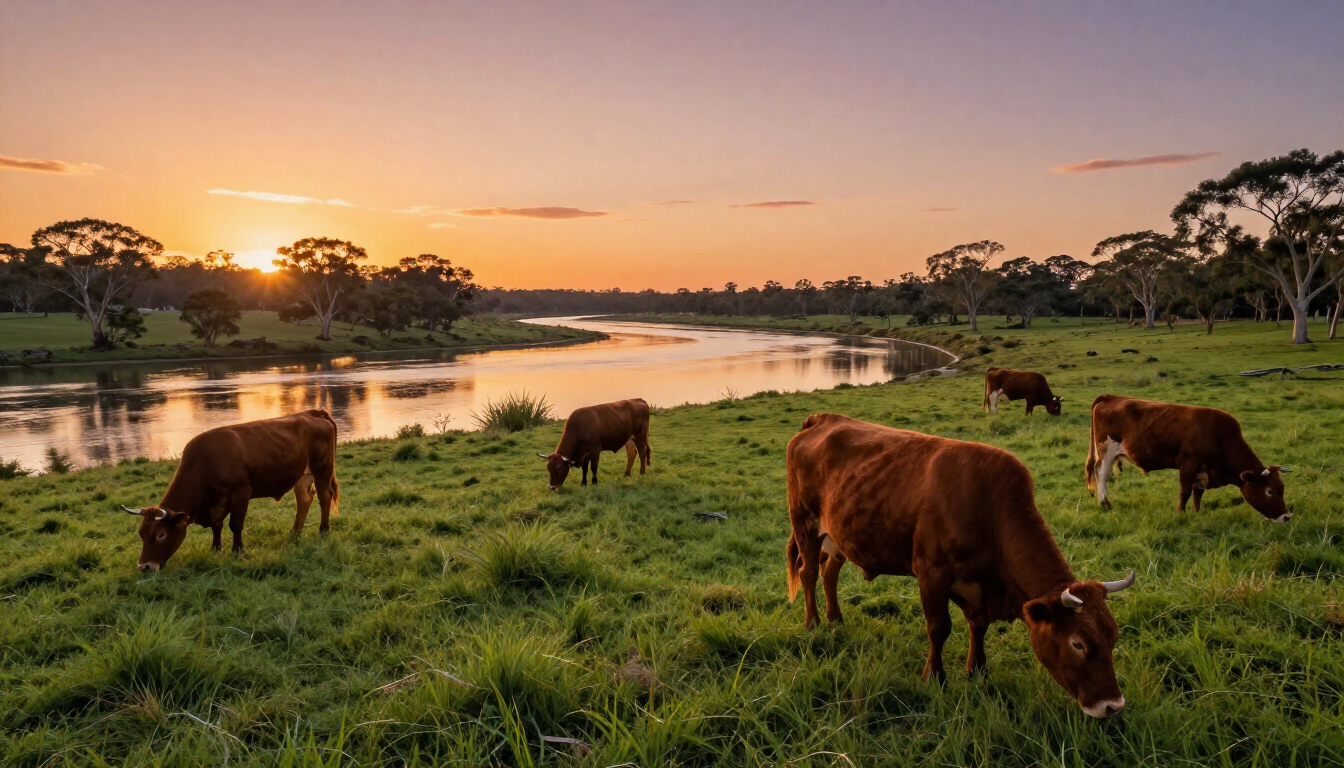
A herd of cattle grazes on a lush, rolling green hillside at sunset, with a tranquil river flowing through the valley.
March 27, 2026
Discover why locally sourced grass fed beef direct from Sunset Bluff Cattle Co is a win-win for your family's health and the Hawkesbury community. 13 reasons to choose paddock to plate.